
Minnesota is notorious for its sub-zero cold snaps, and this can have far-reaching effects, including higher utility bills during the winter months. The wider the temperature gap between indoors and outdoors, the faster heat escapes through walls, windows, and ductwork. This means your furnace has to work much harder to keep your home comfortable.
However, there are strategies you can use to support your heating system and manage winter costs. By building regular heat-saving habits and taking advantage of potential upgrades and rebates, you can ensure you’re saving every penny on heating during the colder months.

How Deep Freezes Affect Minnesota Homes
During more moderate winter temperatures, your heater can typically take breaks once it gets your home up to a comfortable temperature. But when it’s below zero outside for several days in a row, your heater often has to run continuously to replace the heat lost. High winds can exacerbate this problem by increasing air infiltration, allowing cold air to enter cracks and crevices around windows, sill plates, rim joists, and older siding.
Extremely cold temperatures are also hard on your furnace’s functionality, since it relies on warm exhaust gases and steady airflow to operate properly. During Minnesota winters, furnace pipes can frost over, and colder return air can reduce combustion efficiency.
Heat pumps also lose efficiency in colder temperatures because there’s less heat in the air to extract. When it drops below freezing outside, you’ll see heat pumps start to run longer cycles and/or switch to “emergency heat” mode (which uses much more energy). Dual-fuel systems tend to handle this better, though, allowing the gas-powered furnace to take over once the temperature drops to a point where the heat pump is no longer efficient.
As you would expect, poorly maintained or older equipment has an even harder time handling Minnesota cold snaps. They’re more likely to encounter problems when running continuously, especially with worn-down or dirty parts.
How Can I Reduce My Heating Bill in Winter?
If you’re a Minnesota homeowner struggling to keep up with high heating bills during the winter months, there are steps you can take to maximize efficiency. Maintenance and system upgrades are just part of it; small habits like thermostat settings and proper air sealing can also affect your monthly statement.
Keep Thermostat Temperatures Consistent
During moderate temperatures, we usually recommend keeping your system on a schedule, allowing your furnace to take a break when you’re not home. However, lowering the thermostat during a cold snap can make it much harder for your heater to raise the home’s temperature. During extreme weather, it’s better to keep the thermostat at a relatively consistent temperature to avoid setbacks. This is typically around 66–70°F during the day and 60–65°F at night. With that said, keep the difference minimal, don’t set it at 70°F during the day and then drop it 10°F at night. This can put a lot of stress on your system. A modest 3–5°F difference can provide savings without putting too much strain on your heating system.
Seal Air Leaks to Keep Heat Inside Your Home
Cold snaps expose every opportunity for outside air to enter your home. Even small gaps around doors, windows, and attic hatches add up to make a big difference in heat loss. You can address these problems by adding weatherstripping around door frames, caulking around windows, or adding foam insulation. However, if you have an older home, significant drafts, or don’t see an impact after DIY fixes, it may be worth hiring a professional to perform air sealing.
Make Insulation Improvements Where It’s Needed
Insulation is one of the most impactful ways you can preserve heat in your home and maximize the efficiency of your furnace. Since warm air rises (escaping through attic spaces), and cold attic air can sink down into living spaces, ensuring proper attic insulation can significantly improve heating efficiency. Aside from comfort, insulation can also help prevent issues such as frozen pipes, cold floors, and uneven heating throughout the home.
Stay On Top of Furnace Maintenance
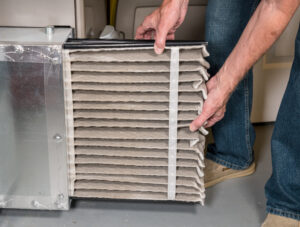
A dirty furnace is an inefficient furnace, and regular maintenance can help prevent buildup, as well as get ahead of any potential problems. Replacing your filter regularly (according to the owner’s manual) ensures proper airflow, which can make a big difference when your heating system is working hard during the coldest days of the year. Restricted airflow can cause uneven temperatures and require your heater to work harder. Scheduling an annual tune-up can help you stay ahead of issues before cold snaps, allow your technician to replace worn-down parts, and make sure everything is running efficiently.
Create Heat-Saving Habits
Small, daily habits can add up to improve heat retention in your home. Use these strategies to reduce heat loss:
- Keep interior doors open where it helps improve airflow and temperature balance.
- Open curtains on sunny days, and close them at night for an extra layer of insulation.
- Keep vents and returns clear of clutter.
- Replace filters as a part of your regular chore routine.
- Avoid big thermostat setbacks.
- When you’re already using heat-producing appliances (like the oven), try to do it during the coldest part of the day.
- Add a humidifier to your home; humid air can feel warmer.
- Add rugs throughout the home.
- Install thermal curtains and window film.
When Efficiency Upgrades Are Worth It
In some situations, it can be worth investing in a system upgrade for better and more consistent comfort in your home. High-efficiency furnaces convert nearly all fuel into usable heat and perform well even in sub-zero temperatures. These systems (which usually have 90–98% AFUE) can also help maintain comfort during longer run times. Homeowners who upgrade to a high-efficiency furnace often see payback in 5–10 years, but this is faster for Minnesota homeowners who use their furnaces more consistently.
Cold-climate heat pumps can also be an option for those who don’t want a gas-powered system. These heat pumps can extract heat at much lower temperatures, down to 10°F or lower in some cases. However, there is a tradeoff: cold-climate heat pumps often run longer and lose efficiency as temperatures drop. In some cases, they may still have to rely on a backup furnace in a dual-fuel setup.
Minnesota Rebates and Energy Assistance Programs
It’s worth noting that there is a wide range of rebates and assistance programs to help lower the cost of heating upgrades for Minnesota homeowners. This includes utility incentives for high-efficiency furnaces, cold-climate heat pumps, smart thermostats, insulation, and air-sealing work. Some statewide offerings also cover weatherizing, low-income energy support, and certain efficiency projects from the city or state. Keep in mind, though, that these programs change frequently. It’s always worth checking current utility, state, and local listings before starting a project; stacked rebates can significantly reduce out-of-pocket costs.
Final Tips for Surviving a Minnesota Deep Freeze Without Overspending
Minnesota cold snaps can have a big impact on your heating bill, but it doesn’t mean it’s out of your control. By attacking the problem from several angles, you can make a big difference in your heating bill while maximizing efficiency and comfort in your home.
For additional guidance on heating upgrades or to schedule a furnace tune-up or energy audit, reach out to our team at Southside today. We’re happy to help you find a solution that meets your needs!