






As April settles into the Twin Cities Metro Area, you might be strolling through Linden Hills, Highland Park, or along the river paths near Minnehaha Falls and noticing that warmer days are inching closer. With summer on the way, you may be thinking about how to shift your household from winter heating and furnace use to dependable cooling. Southside Heating & Air Conditioning put together this spring checklist to help you get your Minnesota home ready for the upcoming cooling season so you can enjoy steady comfort once temperatures rise.
Why April Is the Right Time for HVAC Maintenance in Minnesota
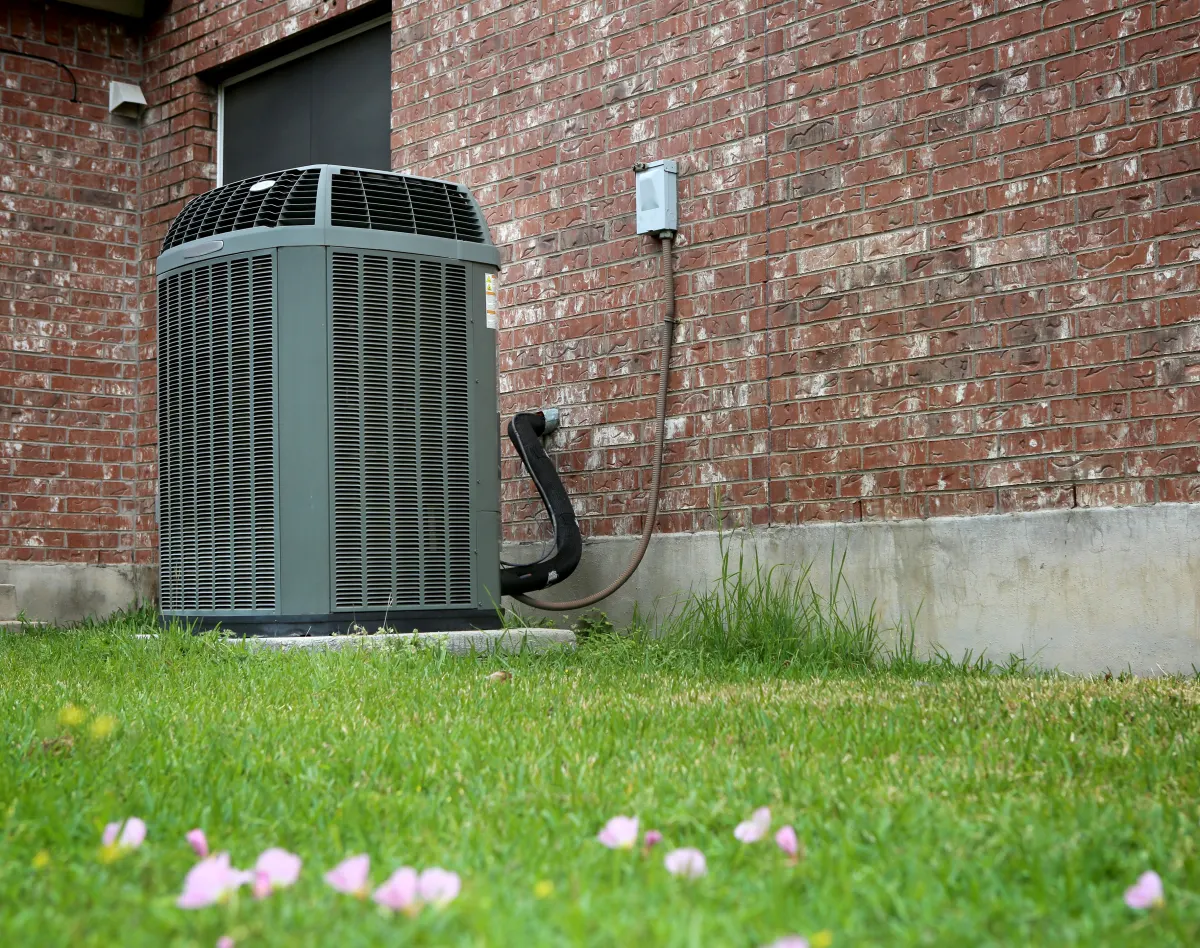
April offers a natural pause between long stretches of furnace use and the first humid days of the year. After months of steady heating, your equipment has likely taken on extra strain, and giving it attention now helps set you up for a smoother transition into cooling. Early spring is also a smart moment to prepare because it allows you to get ahead of the first warm spell, reducing the chance of early‑season breakdowns. By tackling maintenance before your air conditioner works daily, you help your system shift modes without unnecessary stress.
Replace or Check Your Air Filter
Your air filter plays a major role in airflow, indoor comfort and air quality, and overall equipment performance. After winter, filters often collect more dust because houses stay closed and indoor activity increases. Checking or replacing your filter now helps your cooling equipment operate efficiently and reduces the amount of dust circulating through your living spaces. Most filters need to be swapped every 1–3 months, depending on your household and filter type. Staying consistent with this simple step can make a noticeable difference in how well your unit performs once warm weather arrives.
Clear Debris Around Your Outdoor Unit
Minnesota winters tend to leave behind a mix of leaves, branches, and compacted debris that can gather around your outdoor AC unit. Clearing this material away helps maintain proper airflow and supports efficient operation. Aim for at least 2 feet of open space around the equipment so it can function without obstruction. This small effort helps your system cool more effectively and reduces unnecessary strain once it starts running regularly.
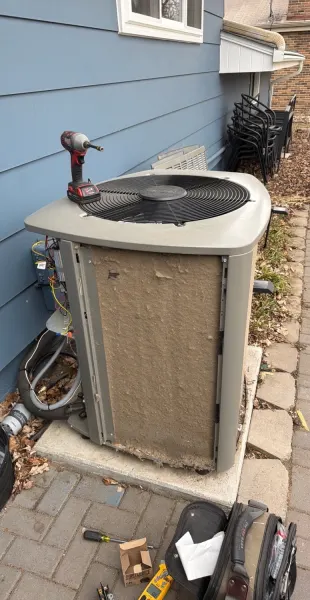
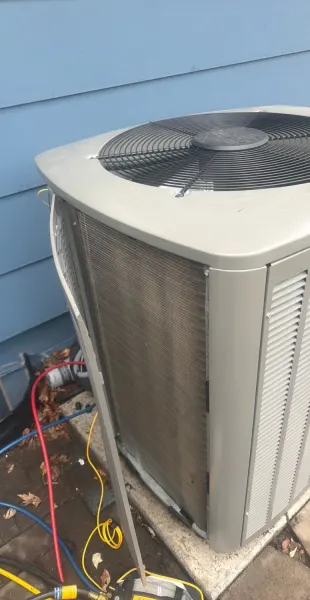
During spring maintenance visits, it’s common to see outdoor units clogged with seasonal debris. These photos are from a recent spring maintenance visit, where a thick layer of cottonwood had built up on the outdoor unit over one year of operation.
Before After
Inspect Your Thermostat Settings
Before temperatures climb, switch your thermostat from heating to cooling mode and confirm that your preferred settings are ready for the season. If your thermostat offers scheduling features, consider programming a routine that matches your spring and summer habits. This can help you manage your indoor climate and energy use more easily. If your device uses batteries, take a moment to check whether they need to be replaced so you avoid unexpected interruptions later.
Test Your Air Conditioning System Early
Running your air conditioner briefly before the first hot day gives you a chance to spot issues ahead of time. Turn it on and listen for unusual sounds that might indicate a developing problem. Make sure cool air is flowing steadily from your vents. Testing your unit before summer heat arrives helps you address concerns before service schedules fill up across the Twin Cities.
Check Air Vents and Registers
Walk through your home and confirm that vents and registers are open and free from obstructions. Dust or buildup can accumulate during winter, so wiping them clean helps maintain balanced airflow. Keeping vents clear supports consistent cooling throughout your house and helps your equipment avoid unnecessary strain.
Inspect Visible Ductwork for Issues
A quick look at accessible ductwork can help you catch early signs of trouble. Check for disconnected or damaged sections and look for indicators of air leaks. Common signs include:
- Whistling noises: Often suggests air escaping through small gaps.
- Dust streaks near seams: These marks can point to leaks pulling air outward.
- Uneven temperatures: Rooms that feel noticeably different may signal duct issues.
Addressing these concerns early can support stronger system performance once cooling season begins.
Clean Around Indoor Equipment
Your furnace and air handler need space to operate safely and efficiently. Clear away stored items, sweep up dust, and make sure nothing is blocking access to the equipment. A tidy area helps your unit breathe and reduces the chance of overheating or restricted airflow.
Check Your Condensate Drain Line
The condensate drain line on your AC removes moisture produced during cooling. If it becomes clogged, you may experience water issues or equipment shutdowns. Look for standing water near the unit or signs of slow drainage. Catching these problems early helps prevent complications once your AC is running daily.
Review System Performance from Last Season
Think back to how your cooling unit performed last summer. If you noticed uneven temperatures, rising utility bills, or frequent cycling, now is the time to address those concerns. Identifying potential repairs or upgrades before summer demand increases helps you stay ahead of issues and avoid mid‑season discomfort.
Schedule a Professional HVAC Tune-Up
A professional tune‑up is one of the most effective ways to prepare your home for Minnesota’s warm, humid months. A trained technician will complete a full system inspection and cleaning, checking components you can’t easily access yourself. This visit helps identify small issues before they grow into larger problems and ensures your equipment is ready for steady summer use.
Why Spring Maintenance Helps Your System Last Longer
Seasonal maintenance reduces strain caused by shifting from heating to cooling. When your unit is cleaned, inspected, and adjusted, it’s better equipped to deliver consistent performance during peak summer conditions. Regular care also helps you avoid unexpected repairs and supports long‑term reliability.
When to Call a Professional
It’s time to reach out to Southside Heating & Air Conditioning if you notice weak airflow, uneven cooling, or if your equipment struggles to maintain your preferred temperature. Strange noises or unusual odors are also signs that something needs attention. If you haven’t had a tune‑up in the past year, scheduling one now can help you stay ahead of potential issues.
A comfortable household starts with a system you can count on as Minnesota heads into warmer weather. Contact us today to schedule your spring HVAC tune‑up and get your home ready for the season.
FAQs
How can spring HVAC prep help improve indoor comfort before humidity rises?
Spring maintenance helps your unit manage early humidity swings more effectively. When your equipment is cleaned, inspected, and adjusted ahead of time, it can remove moisture more efficiently once warm weather arrives, which helps your house feel cooler and more climate controlled.
Is it normal for my system to smell different the first time I switch to cooling?
A mild, brief odor can happen when your AC runs for the first time after months of inactivity. If the smell lingers or becomes musty, it may indicate mold, a clogged drain line, or another issue that should be checked by a professional.
Can spring HVAC maintenance help lower my summer energy bills?
Yes. When your equipment is tuned, cleaned, and running without airflow restrictions, it doesn’t have to work as hard to cool your house. This can help reduce energy use during the hottest months and support more consistent performance throughout the season.